 Jetway
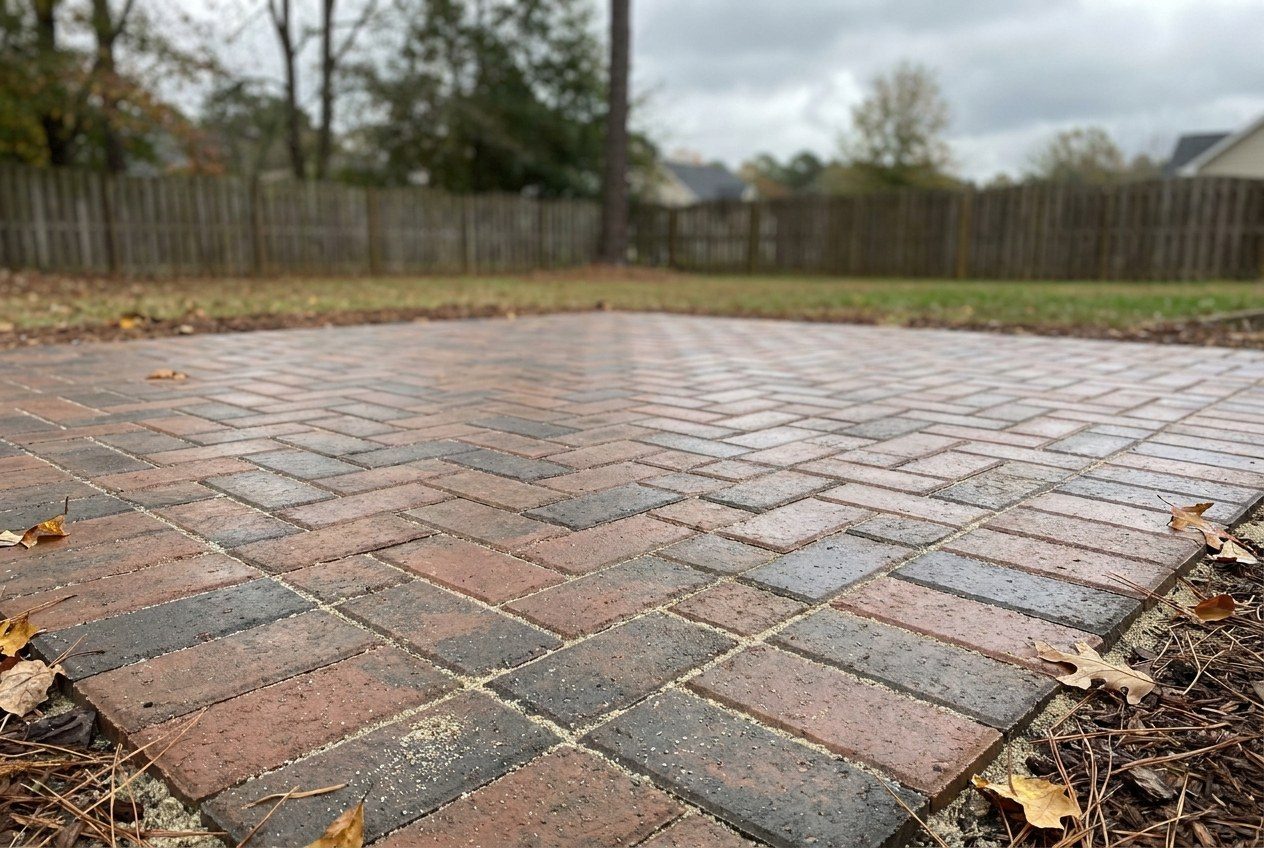
Pressure washing your outdoor living space in fall, not spring, is the most protective cleaning decision you can make as a Fayetteville, NC homeowner. Most people wait until spring when things look dirty after winter, but by then mold, mildew, and organic staining have already worked into your concrete, wood, and painted surfaces for four or five months while everything sat covered and damp. Fall washing stops that process before it starts.
The Fayetteville and Hope Mills area's shoulder seasons bring leaf fall, pollen residue, and humidity that lingers well into November. When leaves and organic debris settle onto a concrete patio or accumulate at the base of pergola posts and then get covered with furniture, a tarp, or a deck box, you create a perfect enclosed environment for mold growth. Trapped moisture, organic material, and limited airflow are all mold needs to spread steadily through the winter.
Before you store outdoor furniture or pull covers over your pergola and patio, crouch down and look at the surface at a low angle. If you see a dark film, greenish tint, or dried leaf stains pressed into the concrete, those are not going to improve on their own under a tarp. They will get worse.
#What Happens to Concrete When It Sits Dirty All Winter?
Concrete is porous, and because it is porous, anything sitting on its surface has months to work its way in when left unaddressed. Leaf tannins create brown staining that becomes harder to lift the longer it sits. Algae and mildew start as surface growth but can penetrate into the pores and become a cleaning problem that light pressure will not solve by spring.
The freeze-thaw cycle makes it worse. Water that has worked into stained or compromised surface pores expands when it freezes, which can lead to surface pitting and spalling over time. Concrete that goes into winter clean and dry handles temperature swings much better than concrete already holding moisture and debris. For heavily stained surfaces, professional driveway and concrete cleaning removes embedded debris before winter sets in.
- Leaf tannin staining is easier to remove in fall than after months of contact
- Algae and mildew are surface-level in fall; by spring they may be embedded
- Covered concrete gets less airflow, which accelerates moisture retention and mold growth
- Clean concrete handles freeze-thaw cycles better than debris-loaded concrete
#Should You Pressure Wash Pergola Posts and Wood Structures Before Winter?
Yes, and the timing matters more for wood than it does for concrete. Wood pergola posts, beams, and overhead slat structures collect the same debris concrete does, but wood is more sensitive to what happens next. Mildew on wood is not just a cosmetic issue, over time it degrades the surface, dulls the finish, and if the structure is painted or stained, it works under the coating and causes peeling.
Before winter, a proper low-pressure wash removes surface mold, dirt, pollen film, and biological growth that has accumulated through summer. This is not about blasting wood at high pressure, that can raise the grain and cause damage. The goal is a controlled clean at the right pressure setting that removes what is there without forcing water deeper into the wood fiber. The EPA's guidance on mold prevention confirms that eliminating moisture and organic material on surfaces is the most effective way to stop mold before it establishes.
| Surface | Common Fall Problem | Recommended Approach | Risk of Skipping |
|---|---|---|---|
| Concrete patio | Leaf staining, algae film, embedded debris | Medium-pressure wash, surface cleaner attachment for even coverage | Staining deepens, mold spreads under furniture covers |
| Pergola posts and beams | Mildew buildup, pollen film, surface mold | Low-pressure wash with appropriate detergent, follow wood grain | Finish peeling, coating failure, mold penetrating the wood |
| Outdoor structure walls or siding adjacent to patio | Green algae, dirt splash, cobwebs | Soft wash approach, top-down rinse | Algae continues growing behind stored items all winter |
| Brick or paver borders | Moss between joints, surface staining | Medium-pressure wash, avoid joint sand displacement | Moss growth expands, joint stability is compromised over winter |
#Is It Worth Cleaning Outdoor Furniture Before Storing It for Winter?
Cleaning the furniture itself before storage is worth doing, though the patio and structure surfaces matter more for long-term staining issues. Furniture that goes into storage dirty brings mold spores and debris with it. If stored in a shed or under a cover against a clean wall, mold from dirty furniture can transfer to surrounding surfaces.
For most outdoor furniture, a rinse and wipe-down is enough. Aluminum and resin pieces do not need pressure washing, a garden hose and a brush handle it. Where pressure washing adds real value for furniture is on wrought iron, treated wood furniture, or cushion frames with embedded grime and mildew that a hose will not shift.
If your concrete looks mostly clean and you just have surface dust and a few leaves, a good rinse with a garden hose and a stiff brush is fine before covering things. Where pressure washing makes a practical difference is when you have visible dark staining, green or black film, or mildew on wood surfaces. Those will not come off with a hose, and they will not improve over winter on their own.
#How Does the Fayetteville, NC Climate Factor Into Fall Outdoor Cleaning?
The Fayetteville and Hope Mills area does not get the hard freezes that push outdoor living spaces fully dormant the way northern climates do. Winters here are mild and damp more often than they are frozen, and that is actually a worse condition for mold and mildew than a hard freeze, because consistent dampness and moderate temperatures keep biological growth active.
According to the National Weather Service Raleigh office, average winter temperatures across central and southeastern North Carolina stay above freezing for much of the season. That means mold and mildew on your patio or pergola do not go dormant, they keep working. Covered surfaces with trapped humidity are the worst-case scenario, and that is exactly what happens when you put furniture and tarps over a dirty patio in November.
Cleaning before you cover is not about aesthetics. It is about cutting off the conditions that allow biological growth to continue through the months when you are not looking at the surface. The same logic applies to adjacent exterior surfaces, house washing before winter ensures algae on siding does not spread to your freshly cleaned patio area over the colder months.
#When Should You Schedule Fall Pressure Washing in Fayetteville, NC?
October and early November are the practical window for most homeowners in this area. You want to clean after the bulk of leaf fall is done so you are not washing a surface that will be covered in debris again in two weeks, but before overnight temperatures drop consistently low enough to make drying a problem. Mid-to-late October is often the right balance in Fayetteville, NC, leaf fall is mostly finished, humidity is lower than summer, and surfaces dry quickly after washing.
If your outdoor living space gets direct afternoon sun, washing in the morning on a clear day means the concrete and wood have most of the day to dry before anything gets covered or moved back into place. Do not cover a freshly washed surface while it is still damp. That defeats the purpose.
#Common Questions
Can I just cover my patio furniture without washing the concrete first?
You can, but the dirt, leaf tannins, algae, and mildew already on the surface will continue to develop under the cover all winter long. Covered concrete gets less airflow and stays damper than open concrete, which accelerates mold and staining. By spring you will be dealing with more embedded damage than if you had cleaned before covering.
Will pressure washing damage my pergola posts or wood beams?
Pressure washing at the correct setting does not damage sound wood. The risk comes from using too much pressure or holding the nozzle too close, which can raise the wood grain or drive water into the fiber. A professional applies the right pressure for the material and works with the wood grain rather than against it. Soft washing methods with a cleaning solution are often used on wood to minimize mechanical pressure while still removing mold and mildew effectively.
How do I know if my concrete patio needs professional pressure washing or just a rinse?
Look at the surface at a low angle in good light. If you see dark brown or black staining, a greenish or gray film, or spots that look like they are part of the concrete rather than sitting on top of it, those will not come off with a garden hose. Biological growth and tannin staining have worked into the pores and need real pressure and in many cases a detergent to lift. If the surface just has surface dust and debris with no visible discoloration, a good rinse before covering is probably enough.
Is fall pressure washing different from what you would do in spring?
The physical process is the same, but the goal is different. Spring cleaning reverses damage that has already happened. Fall cleaning prevents that damage from occurring. Fall washing also means surfaces go into winter in better condition, which matters for concrete that will face moisture and temperature changes over the coming months. If you had to pick one, fall is the more protective investment of the two.
If your outdoor living space in Fayetteville, NC is ready for a fall pressure washing before you put things away for winter, Jetway Pressure Washing and Cleaning Service handles concrete patios, pergola and structure surfaces, and exterior cleaning across the Fayetteville and Hope Mills area. Give us a call or send a message to talk through what your space needs before the season changes.