 Jetway
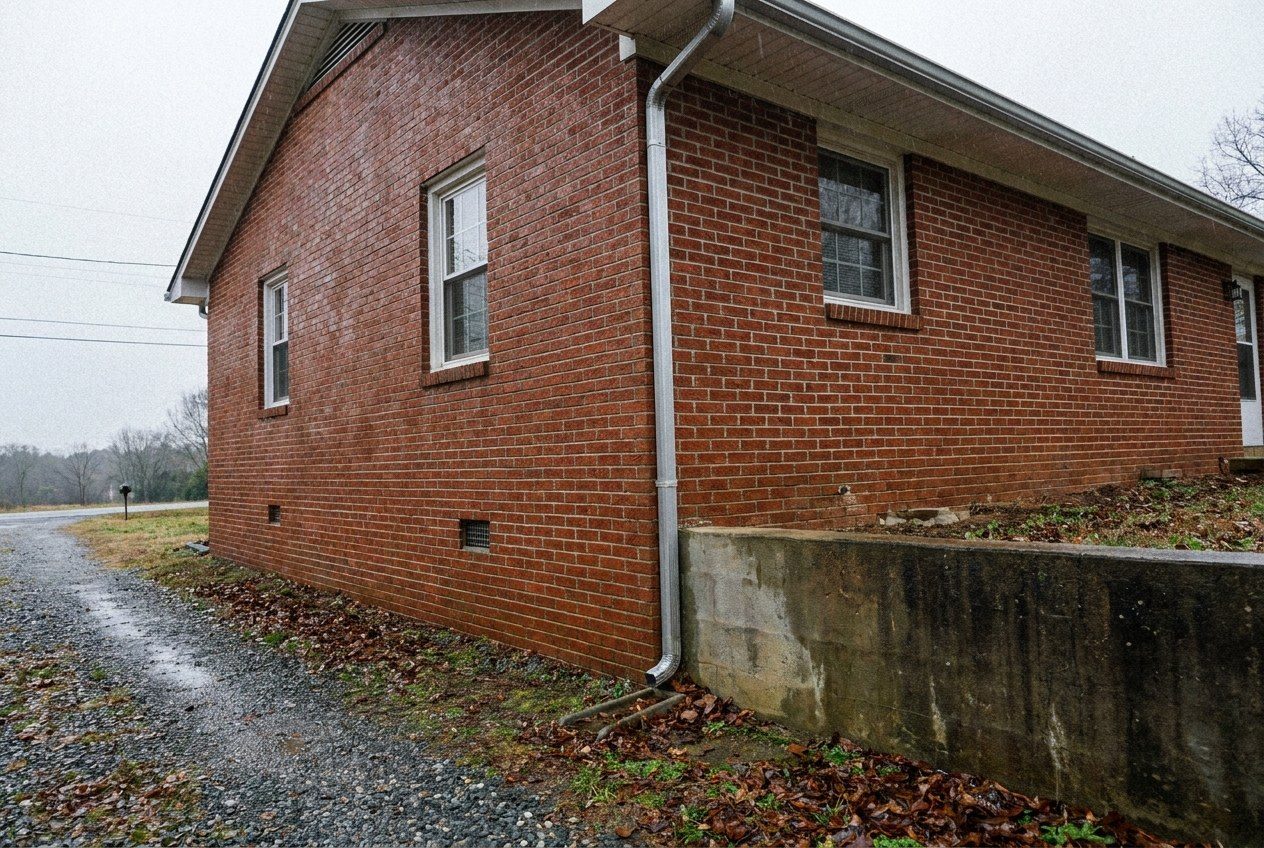
- The north and east sides of a home in Hope Mills typically accumulate the most mold and algae growth on home exterior by fall because of persistent shade and slow-drying morning moisture.
- Wall orientation relative to the sun determines how quickly surface moisture evaporates, and shaded walls stay damp long enough for biological growth to take hold.
- Algae, mold, and mildew are not just cosmetic problems, they can degrade siding, caulk, and paint over time if left untreated through multiple seasons.
- A proper house wash should address every elevation, not just the sides that look dirty from the street.
- Fall is a practical time to act because growth has peaked for the season and you can head into winter without biological matter sitting against your siding.
Mold and algae growth on home exterior surfaces in Hope Mills, NC follows a predictable pattern, and if you have ever walked around your house noticing that one side is darker, slicker, or greener than the rest, the explanation is rooted in how sunlight and moisture interact with each wall throughout the year.
In Hope Mills, where humid summers and warm nights create near-ideal conditions for biological growth, the north and east sides of most homes take the worst of it. By the time fall arrives, those walls have had months to accumulate algae, mold, and mildew, and the damage is not always visible until it has been building for a while.
#Why Do the North and East Sides of a House Get More Mold and Algae Growth?
Shade is the short answer. The north side of a home in the Northern Hemisphere receives little to no direct sunlight on most days. Moisture from rain, dew, and overnight humidity has nowhere to go, it sits against the siding. Mold and algae thrive in exactly those conditions: damp, low-light surfaces with limited airflow.
The east side has a slightly different pattern. It gets morning sun, which sounds helpful, but morning sun is weaker and the surface is often still wet from overnight dew when the sun hits it. By the time afternoon arrives and solar intensity peaks, the east wall is back in shade. That cycle of brief warmth and prolonged dampness promotes biological growth in a way that south and west walls, which dry out under strong afternoon sun, simply do not.
Walk around your home on a dry morning, a few hours after sunrise. Touch the siding on each side. The north and east walls will often still feel noticeably cooler and slightly damp compared to the south and west. That surface condition is what organisms are exploiting all summer long.
The local climate makes this more pronounced. High summer humidity, warm overnight temperatures, and the canopy coverage common in older Hope Mills neighborhoods mean north and east walls rarely get the dry-out period they need. The University of Florida IFAS Extension's research on algae and mold on building exteriors confirms that persistent moisture is the primary driver of exterior biological growth, and wall orientation directly controls how long that moisture lingers.
#Is Mold and Algae Growth on Your Home Exterior Harmful to Siding, or Just Ugly?
Both, and the harm compounds over time. Algae itself is relatively shallow-rooted on most siding types, but the moisture it holds against the surface is the bigger problem. Caulk joints, paint edges, and wood trim all degrade faster when they stay wet for extended periods.
Mold and mildew go a step further. They can work into porous surfaces and, on wood or fiber cement siding, begin to break down the material itself if seasons pass without cleaning. What starts as a cosmetic issue in spring can become a structural maintenance problem by the following fall.
| Type | Appearance | Primary Cause | Potential Surface Impact |
|---|---|---|---|
| Green Algae | Green or dark green film, often slimy when wet | Moisture and limited sunlight | Traps additional moisture against siding; cosmetic staining |
| Black Mold / Mildew | Black or dark gray streaks or spots | Persistent dampness, organic debris contact | Can penetrate porous materials; degrades paint and caulk over time |
| Lichen | Flat, crusty patches; gray, green, or orange | Long-term moisture combined with algae and fungus | Harder to remove; can etch into masonry or painted surfaces |
#How Does a Professional House Wash Actually Handle Mold and Algae Growth?
A proper house wash uses a soft wash approach for most residential siding, lower pressure combined with a surfactant-based cleaning solution that kills biological growth at the surface rather than blasting it off temporarily. High pressure alone can push moisture into siding seams, force water behind panels, and damage paint, which is why reputable exterior cleaning companies rely on soft washing for wall surfaces. Our house washing service covers the full exterior, including the shaded elevations where growth accumulates most.
The surfactant does the actual work. It breaks down the cell structure of algae and mold, kills what is alive, and loosens what has stained the surface. The rinse then removes the residue. On heavily affected north and east walls, a second application or a longer dwell time may be needed, depending on the thickness of growth.
A one-sided wash is never really complete. Even if only the north wall looks visibly dirty, the east wall, low-traffic soffits, and areas under overhangs often have developing growth that is not obvious yet. Treating all elevations in a single visit makes more sense than chasing it side by side over multiple seasons.
Biological growth does not stay on walls alone. If your gutters are clogged and overflowing, they are directing a constant stream of moisture down already-shaded siding, which accelerates every growth pattern described above. Gutter cleaning paired with a house wash addresses both the source of the moisture problem and the surface damage it causes.
#When Is the Right Time of Year to Have Your House Washed in Hope Mills?
Fall is a genuinely good time, and not just because of marketing calendars. By September and October in Hope Mills, NC, the growing season for algae and mold has peaked. The growth that accumulated over spring and summer is at its thickest, and leaving it through winter gives it extra months to bond with your siding and stain more deeply.
Washing in fall also means heading into the cooler months with a clean surface. Paint and caulk that sit under a layer of biological growth all winter are more vulnerable to moisture damage than clean, treated surfaces. It is a practical maintenance step, not just a cosmetic one.
Spring is the other common window, you are cleaning off whatever made it through winter before the growing season ramps up again. Either way, a consistent annual schedule is far easier on your siding than letting multiple seasons of growth build up before acting.